




Creating a beautiful home is not only about buying expensive furniture or following the latest interior design trends. A successful space usually comes from choosing the right colors, furniture, lighting, accessories, textures, and layouts while making sure everything works together. This is where DecoratorAdvice can be useful for people searching for ideas and guidance related to home decoration.
In 2026, interior design continues to move toward spaces that are comfortable, practical, personal, and visually appealing. Homeowners and renters are increasingly interested in creating interiors that reflect their personalities while also making better use of available space. Online decoration resources can help people explore different styles before making decisions about their homes.
DecoratorAdvice can be understood as a decoration-focused resource for people interested in home decor, interior styling, decorating ideas, room inspiration, furniture selection, and practical design advice. Whether someone is planning a complete room makeover or simply wants to refresh an existing space, having access to useful decorating ideas can make the process easier.
What Is DecoratorAdvice?
DecoratorAdvice is associated with home decoration and interior design guidance, focusing on ideas that can help people improve the appearance and functionality of their living spaces.
Home decoration covers a wide range of subjects. It can include choosing wall colors, arranging furniture, selecting decorative accessories, improving lighting, combining textures, and creating a particular atmosphere inside a room.
A decorating resource such as DecoratorAdvice can be useful because many people know what kind of home they want but are unsure how to achieve it. Inspiration and practical recommendations can provide a starting point.
Instead of copying a single design exactly, homeowners can use decorating ideas as inspiration and adapt them to their own rooms, budgets, lifestyles, and preferences.
This approach is particularly useful in 2026, when interior design is less about following one strict style and more about creating spaces that feel personal.
Why Home Decoration Matters in 2026
A home is more than a collection of furniture. The way a room is designed can influence how comfortable, organized, and welcoming it feels.
Modern homes often need to perform several functions at the same time. A living room might be used for relaxing, watching television, working, entertaining guests, and spending time with family. Bedrooms may need to provide both comfort and storage, while smaller apartments require particularly careful planning.
This has made practical interior design increasingly important.
Good decoration can help with:
- Making rooms feel more comfortable
- Improving the visual appearance of a home
- Making better use of limited space
- Creating organized living areas
- Expressing personal style
- Improving lighting and atmosphere
- Making rooms feel larger or more open
- Refreshing an outdated interior without completely renovating it
The best decorating decisions are therefore not necessarily the most expensive ones. Planning and balance can make a major difference.
Popular Decorating Ideas to Explore
One of the biggest advantages of online interior-design resources is the ability to explore multiple styles before choosing one.
Minimalist Interiors
Minimalist decoration focuses on simplicity, clean lines, and avoiding unnecessary clutter. Neutral colors, practical furniture, and open space can create a calm appearance.
Minimalism does not necessarily mean having an empty room. The goal is usually to make every item feel intentional.
Modern Home Decor
Modern interiors often combine simple furniture shapes with contemporary colors, lighting, artwork, and decorative details. The style can be adapted to both large houses and smaller apartments.
Warm and Comfortable Spaces
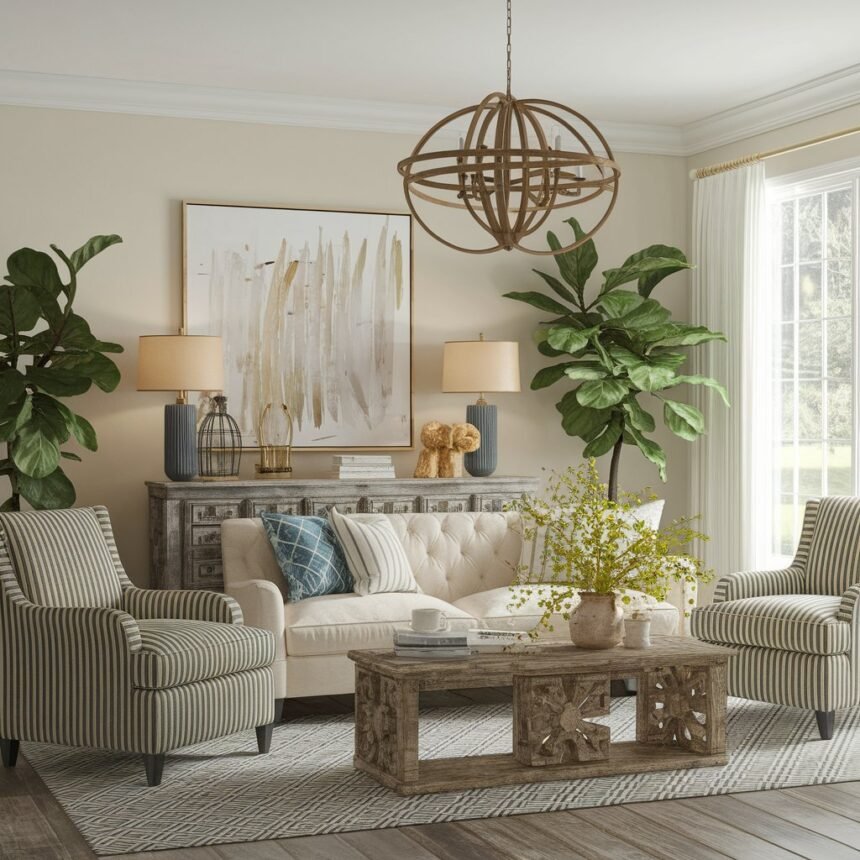
In 2026, many homeowners continue to favor interiors that feel comfortable and welcoming rather than overly formal. Soft textiles, warm lighting, natural-looking materials, rugs, cushions, and carefully selected accessories can help create this atmosphere.
Natural Elements
Plants, wood textures, natural fabrics, and earthy colors can introduce a connection with nature. These elements can also add visual variety without overwhelming a room.
Personalized Decoration
Perhaps the most important decorating trend is personalization. Instead of creating a room that looks exactly like a showroom, homeowners can display photographs, artwork, books, travel memories, collections, and other meaningful objects.
How to Use DecoratorAdvice for Your Own Home
The most effective way to use decorating inspiration is to start with the room’s actual needs.
Before buying anything, consider the size of the space, existing furniture, natural light, storage requirements, and how the room will be used.
A simple decorating process can involve these steps:
- Identify the purpose of the room.
- Measure the available space.
- Decide on a preferred decorating style.
- Choose a basic color palette.
- Consider furniture placement.
- Improve lighting where necessary.
- Add textiles and accessories.
- Remove unnecessary clutter.
- Review the finished space and make adjustments.
This approach prevents one of the most common decorating mistakes: purchasing attractive items individually without considering whether they work together.
For example, a beautiful sofa may look excellent in a showroom but may be too large for a particular living room. Similarly, a decorative lamp may look impressive but provide inadequate lighting for the room.
Function should therefore come before decoration, while aesthetics and personality complete the design.
DecoratorAdvice and Smart Budget Decorating
Interior design does not have to require a large budget. One of the most useful decorating principles is understanding where money should be spent and where inexpensive changes can create a significant visual difference.
A homeowner might invest more in frequently used furniture while using affordable accessories to change the appearance of the room.
Some budget-friendly improvements include:
- Rearranging existing furniture
- Adding plants
- Changing cushions or curtains
- Using artwork strategically
- Improving lighting
- Decluttering shelves and surfaces
- Adding an area rug
- Repainting walls
- Updating small decorative accessories
Paint and lighting can sometimes transform a room without requiring a complete renovation.
Another useful strategy is to avoid buying everything at once. A room can be developed gradually, allowing the homeowner to understand what is actually missing before spending additional money.
Common Home Decorating Mistakes to Avoid
Even good decorating ideas can produce disappointing results when they are applied without considering the specific room.
One common mistake is too much furniture. Filling every available area can make a room feel smaller and difficult to move through.
Another problem is using too many colors or patterns without a connecting element. A room can contain different colors and textures, but they should generally work together as part of a broader visual plan.
Poor lighting is another frequent issue. A room may have attractive furniture and accessories but still feel uncomfortable if it relies on one harsh light source.
Ignoring scale can also create problems. Very small accessories may disappear in a large room, while oversized furniture can dominate a small space.
Finally, homeowners sometimes follow trends too closely. Interior design trends change, but furniture and renovations can remain in a home for years. Personal preference and functionality should therefore remain more important than temporary trends.
DecoratorAdvice in 2026: Final Thoughts
DecoratorAdvice represents the broader value of online home-decoration guidance: giving people ideas that can help them create attractive, comfortable, and functional spaces.
In 2026, successful interior design is not simply about having the newest furniture or following the most popular trend. It is about understanding a room, planning its layout, choosing appropriate colors and materials, improving lighting, and adding personal details.
Whether you prefer minimalist interiors, modern decoration, natural elements, cozy rooms, or personalized spaces, inspiration can help you discover possibilities before making expensive decisions.
The best approach is to combine inspiration with practical planning. Measure your space, establish a realistic budget, consider how the room will actually be used, and make changes gradually.
Ultimately, a well-decorated home should not simply look good in photographs. It should work well for the people who live there. That balance between appearance, comfort, practicality, and personality is what makes home decoration meaningful in 2026.